Influencer Marketing Is Changing: What Brands Need to Know
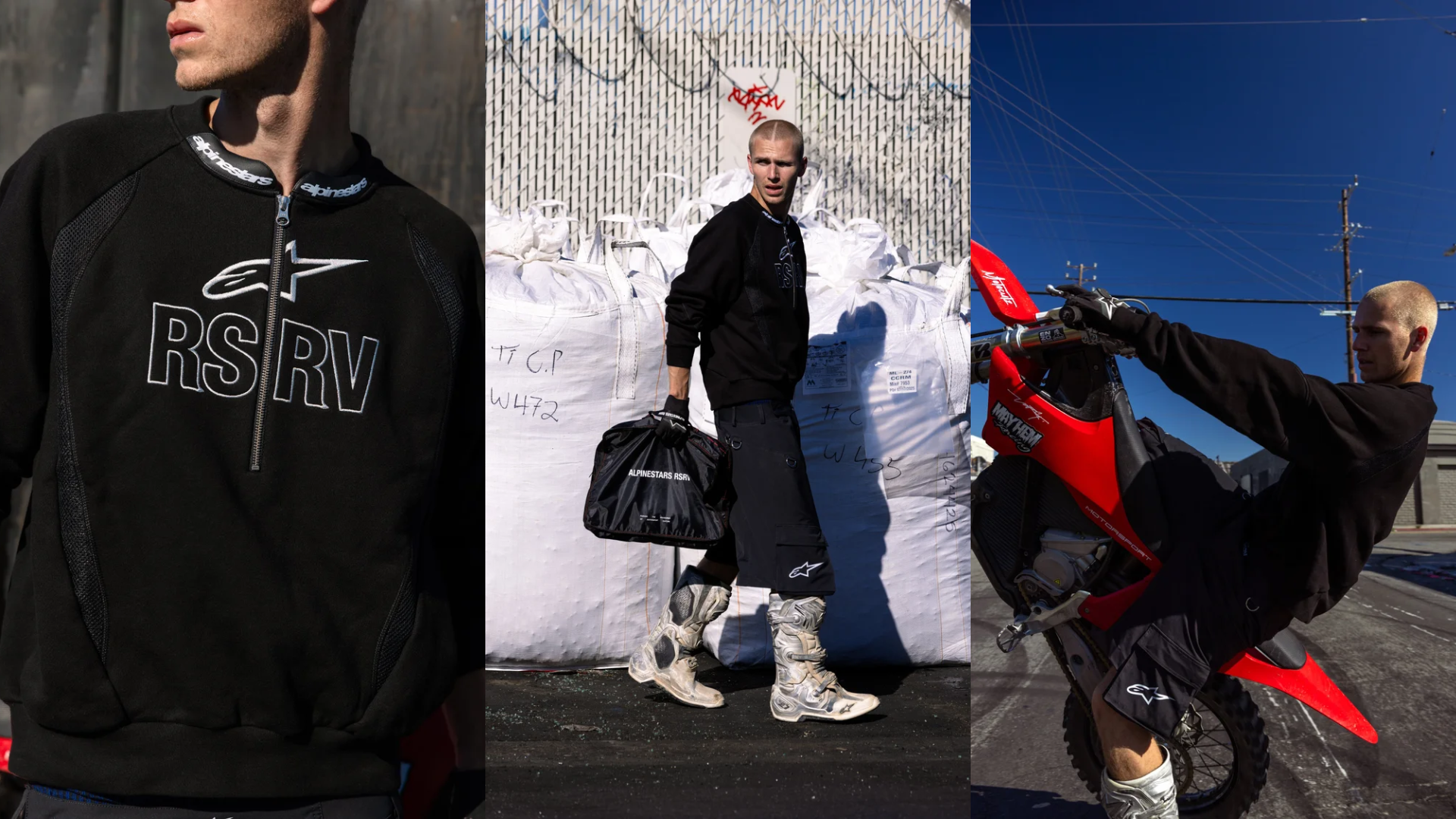
BILLIONMONSTERS photographed an Alpinestars RSRV social media campaign featuring motocross racer Trevor Stewart, showing how brands are building longer, more intentional partnerships with creators.
Quick Facts:
Ad spend on boosting creator content is projected to surpass direct influencer payments by 2028
Despite shifts in distribution, 97% of CMOs plan to increase creator marketing budgets in 2026
As organic reach declines across platforms, creator-led content is becoming a core part of paid media strategy
The Era of Pay-to-Post Influencer Marketing Is Fading
Influencer marketing is moving beyond its early phase of one-off sponsorships and transactional posts. The format is not disappearing, but the environment around it is shifting.
Organic reach is becoming less reliable, with platform algorithms playing a larger role in determining what content gets seen. According to EMARKETER, ad spend on boosting creator content is projected to surpass direct influencer payments by 2028, reaching $16.1 billion. That means more money flowing to TikTok and Instagram ad systems, and brands rethinking how they extract value from creator relationships.
How Smart Brands Are Adapting Their Influencer Strategy
Creators as Long-Term Partners: Brands are moving away from one-off deals and investing in fewer, deeper collaborations built around real storytelling and brand identity.
Creative Control Goes to Creators: Audiences can tell when content is scripted. As Alix Earle noted at Vogue Business's Gen Z Summit, her best-performing branded content tends to be her least-polished, off-the-cuff videos.
New Discovery Channels: Substack, IRL events, and community spaces are where consumer trust is actually being built right now.
Micro Influencers: As organic reach declines, follower count matters less. A smaller creator with a highly engaged audience and a paid boost can outperform a big name at a fraction of the cost.
Strategy in Action
Brands are shifting from one-off posts to deeper creator relationships where talent is brought in earlier in the process.
Jewelry label Heaven Mayhem is a good example. Founder Pia Mance built a $10 million business largely through organic influencer moments and community, and in 2026 she is hosting a "community design panel" where her influencer community weighs in on the design and campaign for an upcoming collection. The takeaway: creators bring authenticity, but the strategies that actually scale are the ones built with intention from the start.
Conclusion
Influencer marketing is not dying. It is maturing. The brands that treat it as a media buy will see diminishing returns. The ones that invest in authentic, long-term creator relationships built on cultural fluency and creative strategy are the ones that will grow.